REVIEW
Volkswagen ID. Polo
A compact electric Volkswagen with 211 hp, real buttons and more personality than I expected.
2027 · fwd · 211 hp · 290 Nm

REVIEW
A compact electric Volkswagen with 211 hp, real buttons and more personality than I expected.
2027 · fwd · 211 hp · 290 Nm
REVIEW
A compact electric Volkswagen with 211 hp, real buttons and more personality than I expected.
2027 · fwd · 211 hp · 290 Nm
IN THIS REVIEW EXTERIOR INTERIOR DRIVING PERFORMANCE PRACTICALITY PRICE FINAL VERDICT VIDEO GALLERY
The Volkswagen ID. Polo feels like a welcome change of direction for Volkswagen’s electric cars. Instead of another anonymous ID. number wrapped around a futuristic shape, it looks recognisably like a Polo: compact, simple and familiar, but built on Volkswagen’s latest MEB+ electric platform.
I spent a week with the 52 kWh, 211 hp front-wheel-drive version and it turned out to be much more entertaining than the small electric city car I expected. It is quick, direct and full of character, while Volkswagen has also made the interior noticeably more intuitive than in its earlier ID. models.
POWER
TORQUE
0-100 KM/H
TOP SPEED
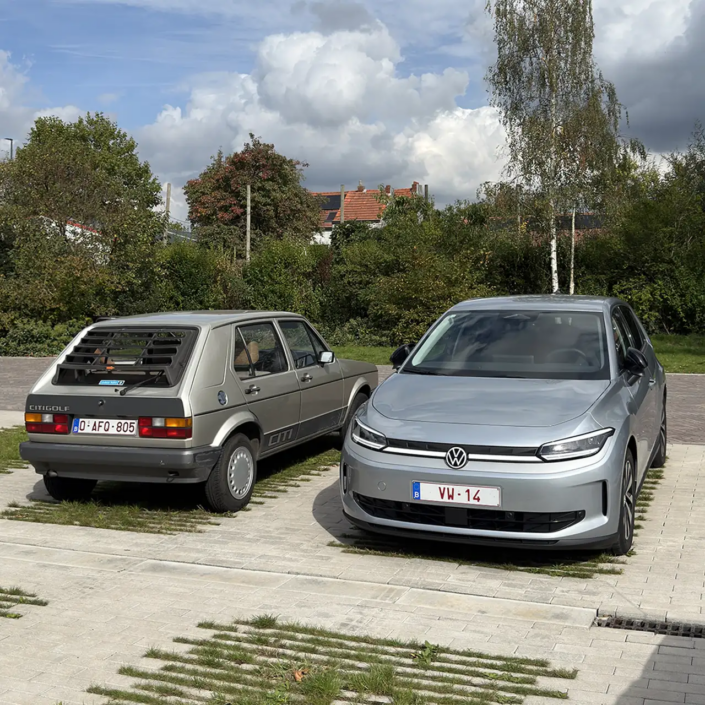
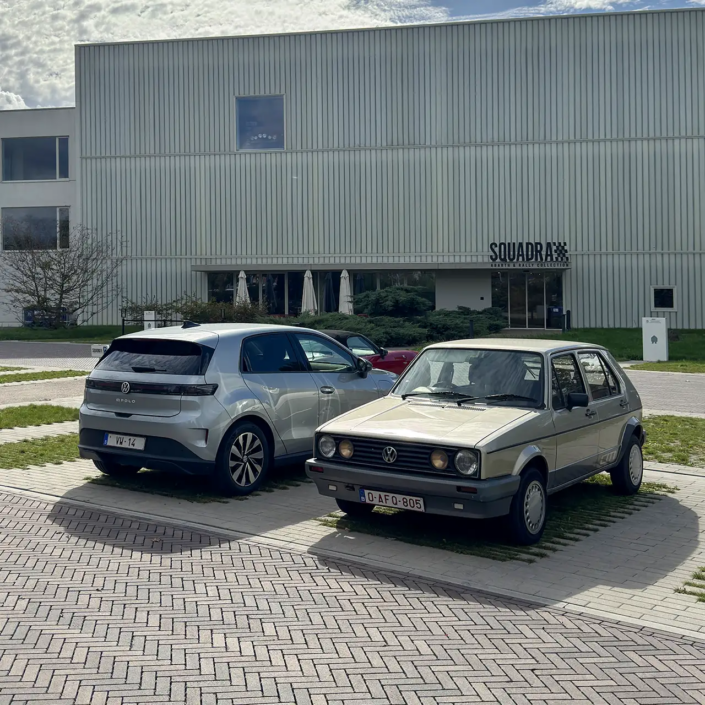
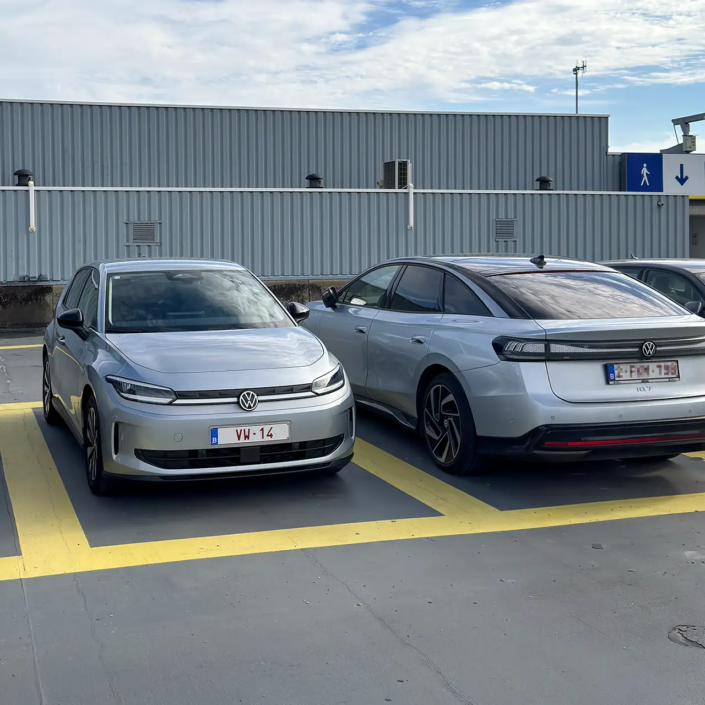
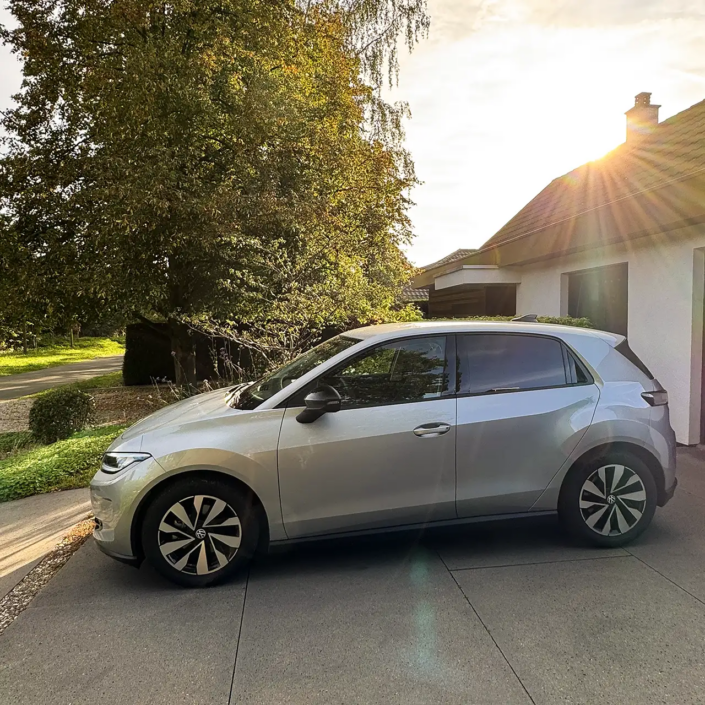
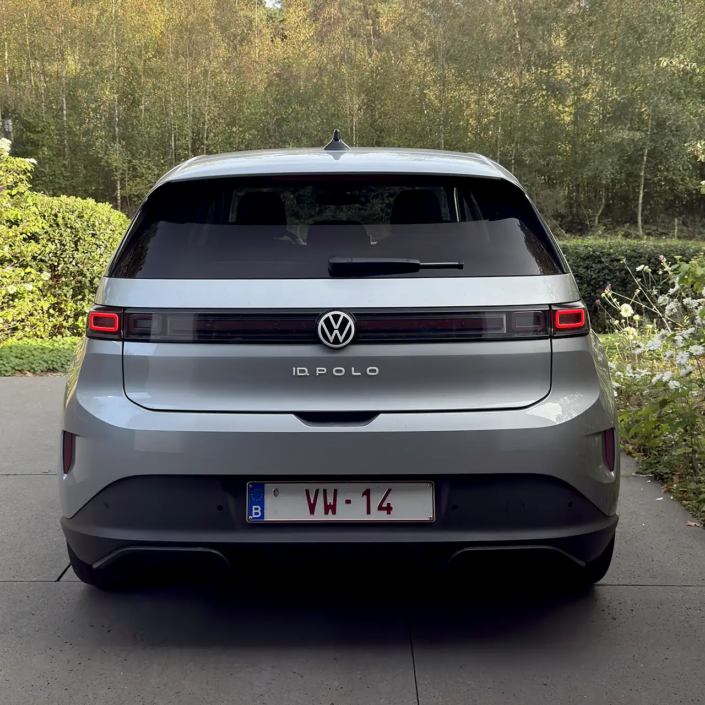
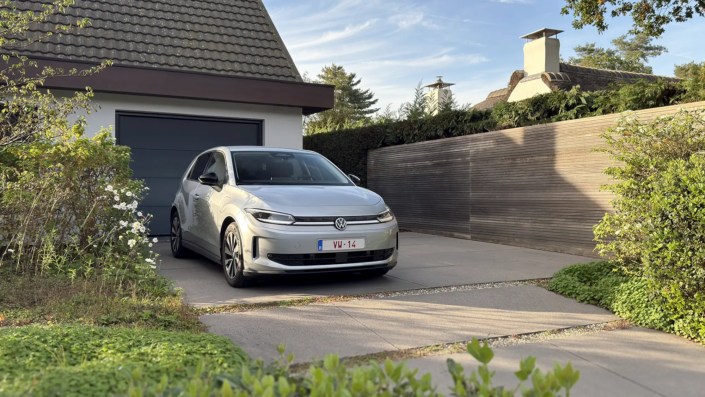
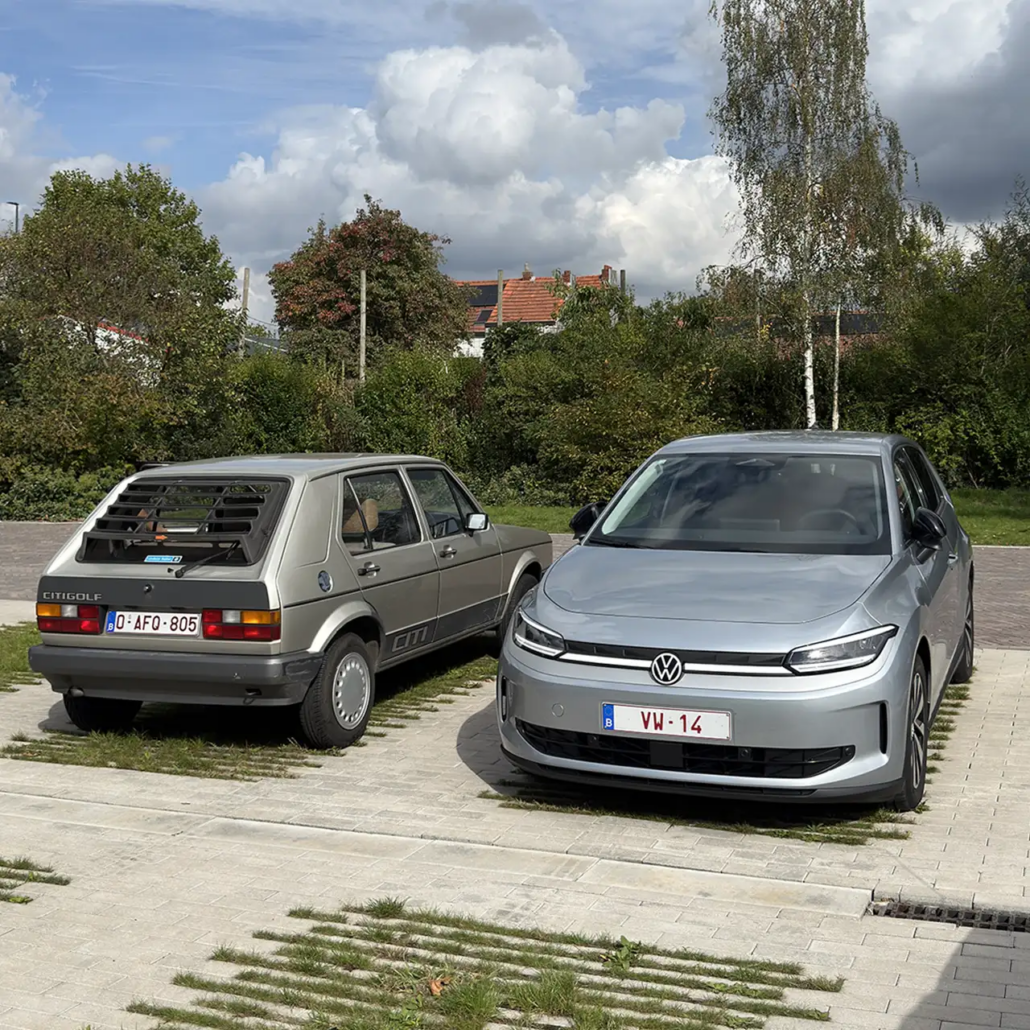
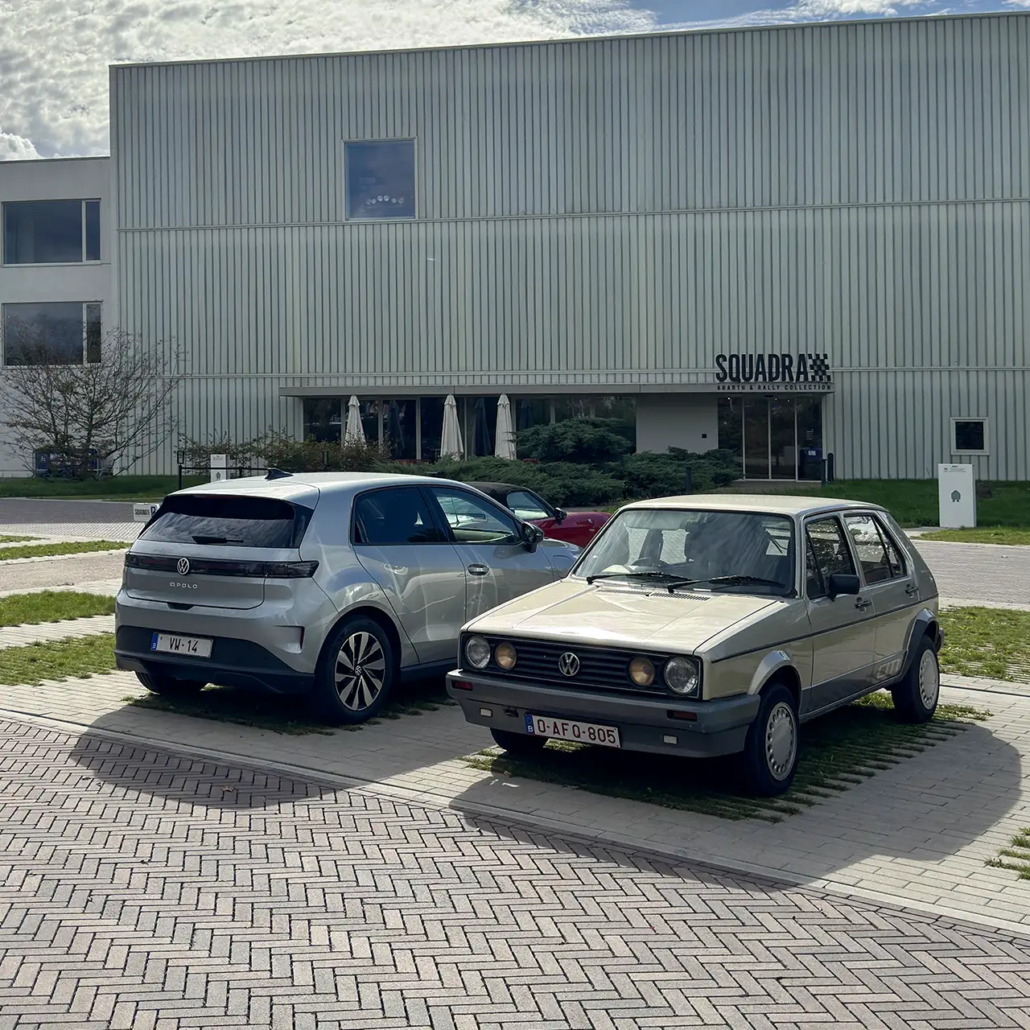
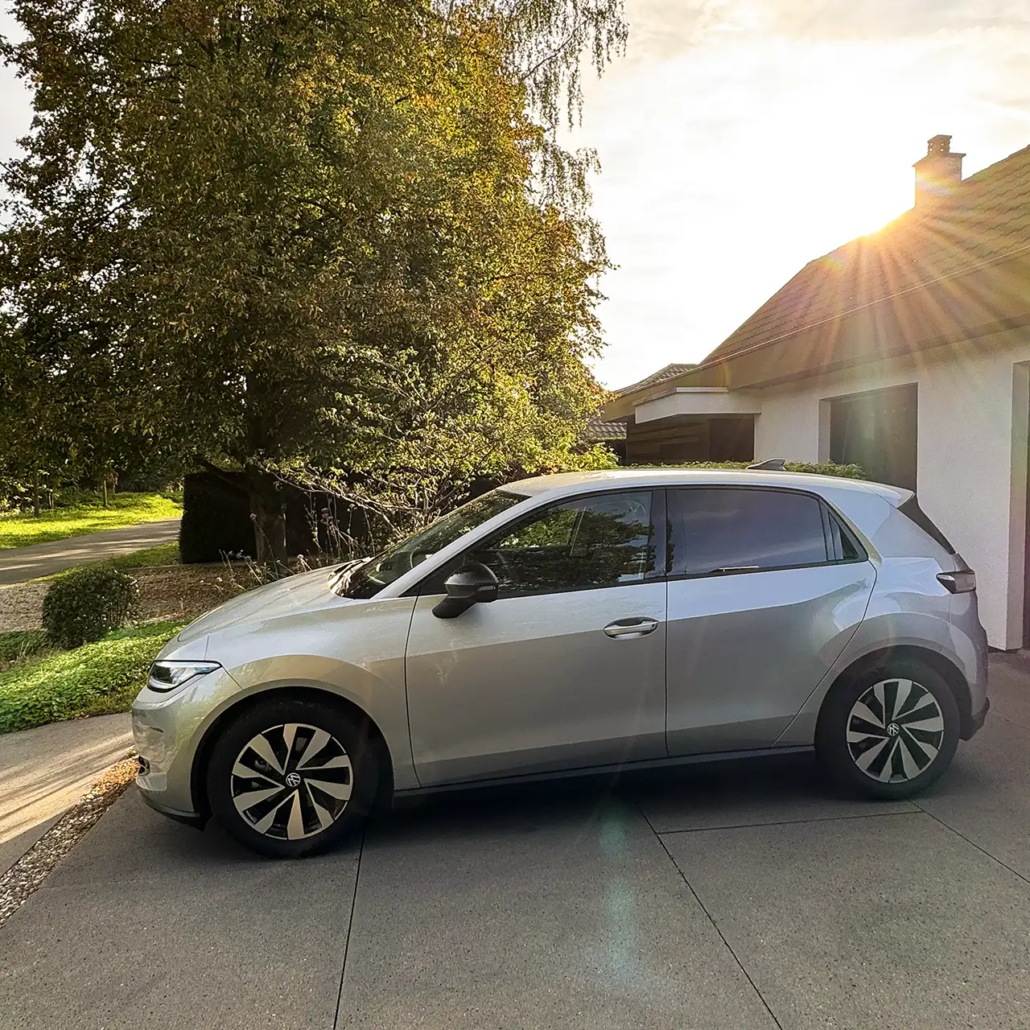
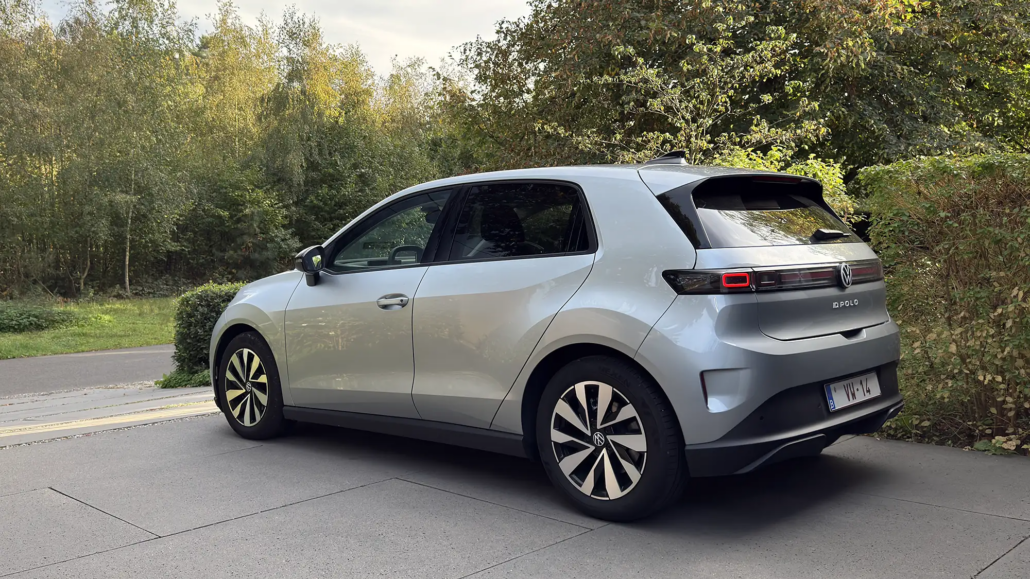
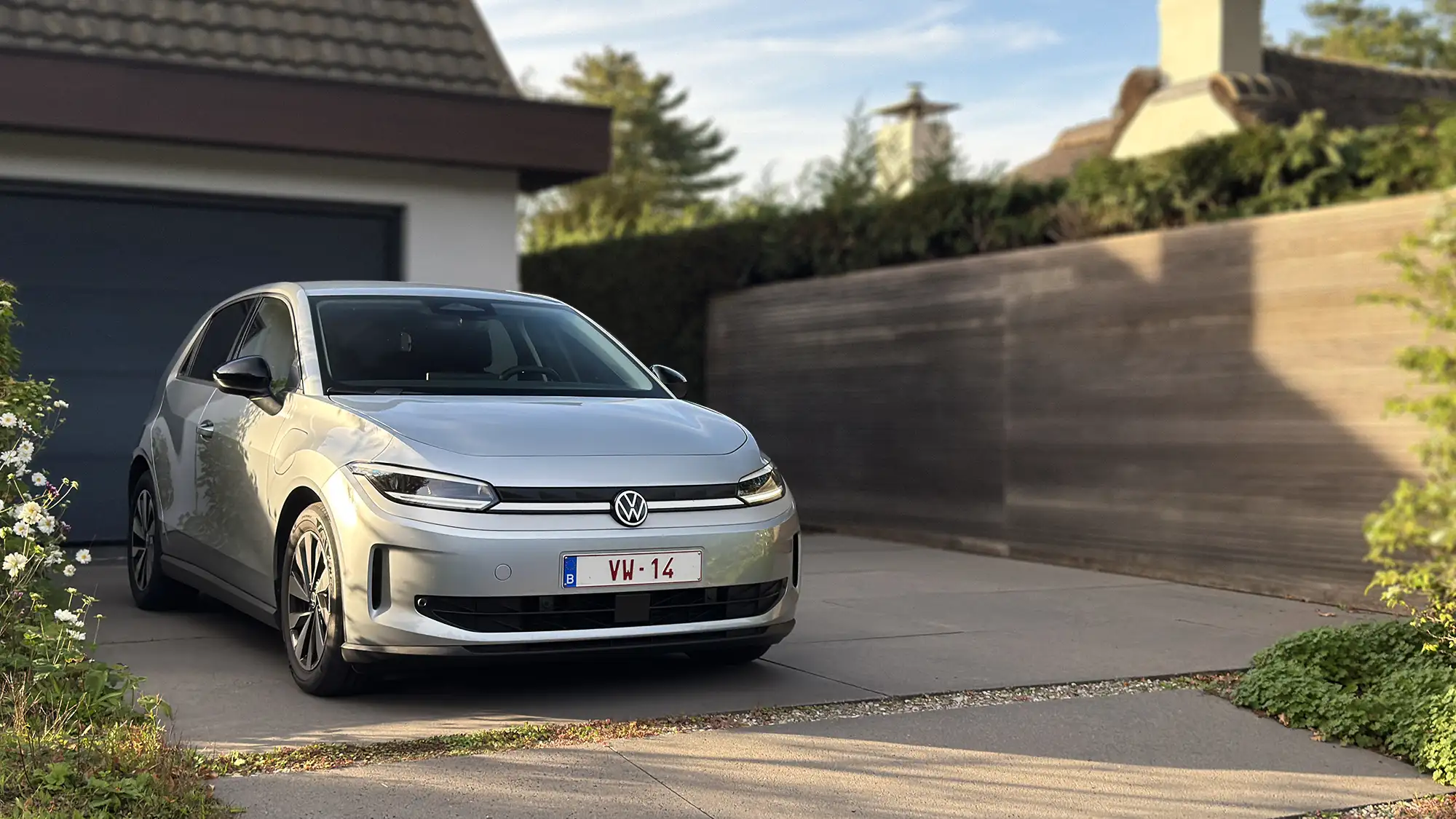
The ID. Polo deliberately avoids the anonymous EV look. At 4053 mm long, it remains a genuinely compact hatchback, with short overhangs and familiar Volkswagen proportions. The C-pillar in particular deliberately references earlier models such as the original Golf.
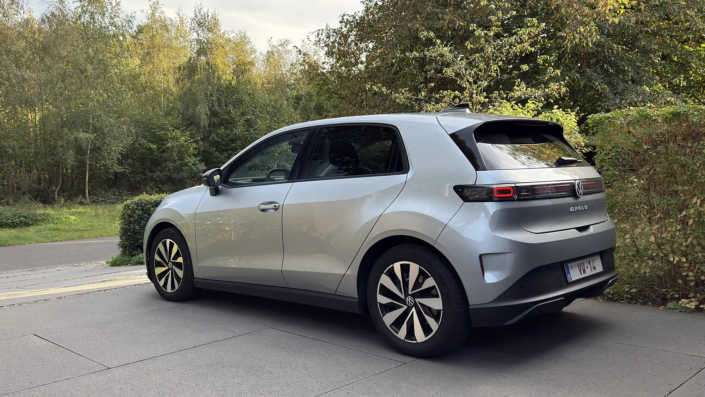
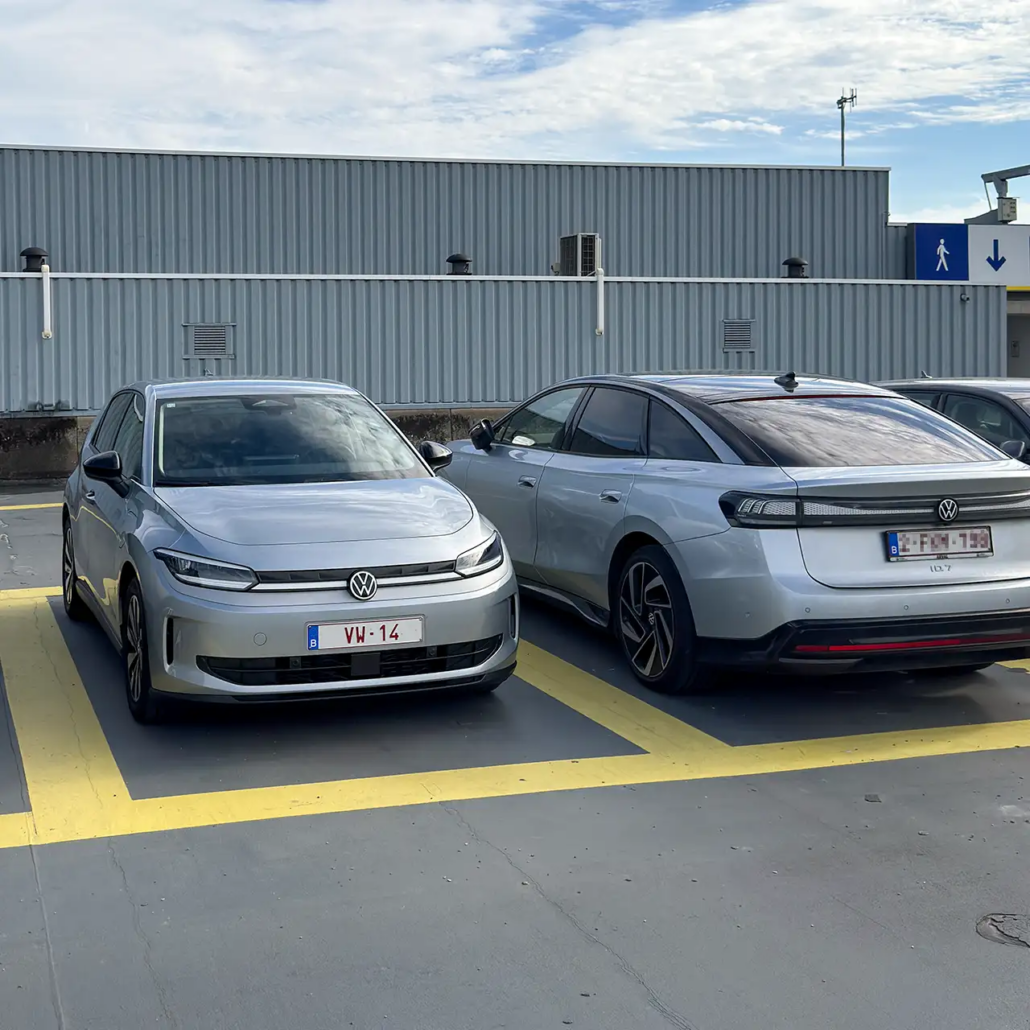
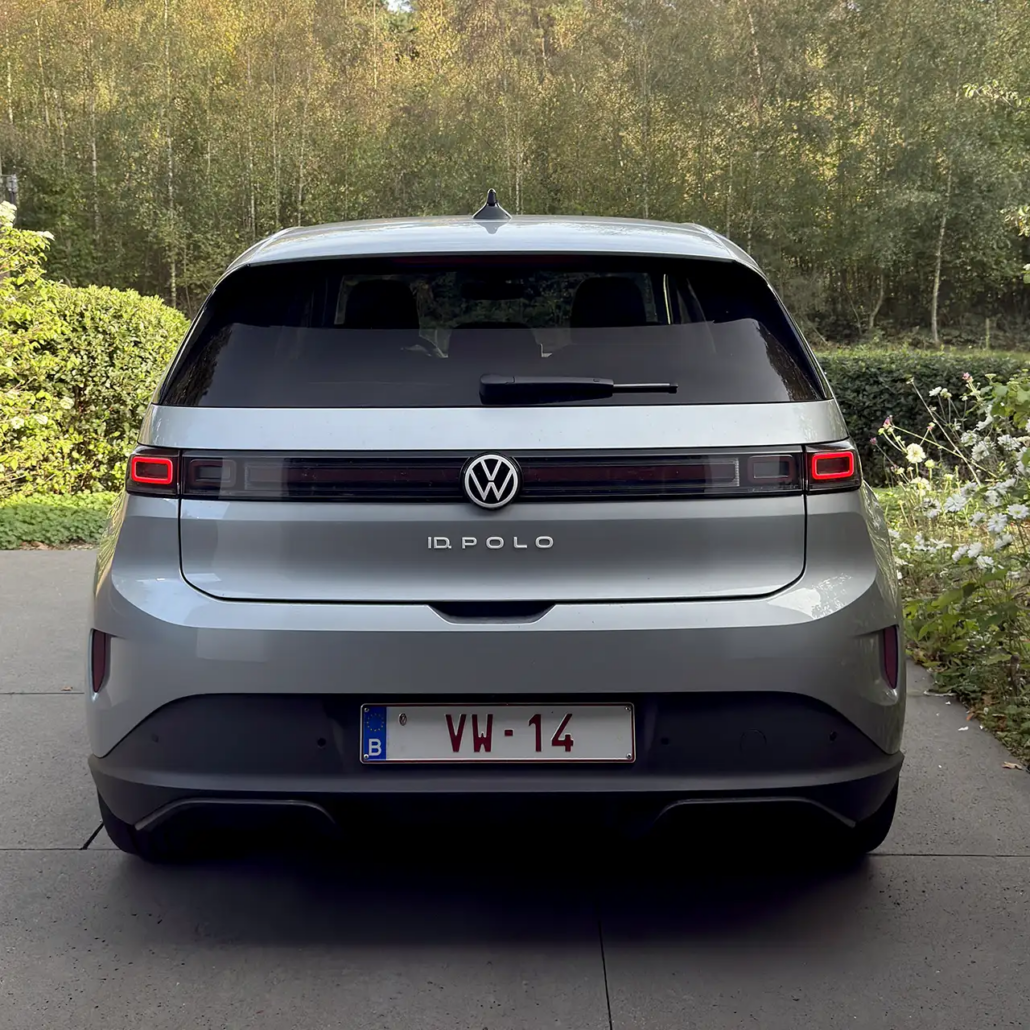
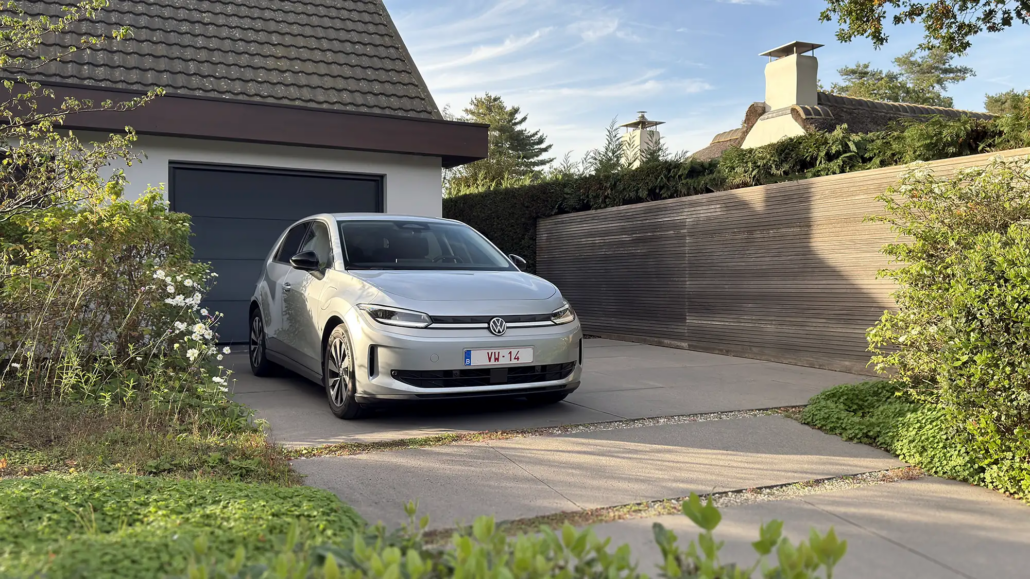
Our Edition One Life was finished in Oyster Silver Metallic with optional 17-inch Edinburgh wheels. The front is simple, with a closed grille and LED daytime running lights. The white strip between them looks illuminated at first glance, but on our car it is simply painted trim.
Conventional door handles remain at the front while the rear handles are hidden higher in the bodywork. There is no frunk: under the bonnet you find the front-mounted electric drivetrain and associated hardware rather than extra luggage space.
This is where Volkswagen has made some of the most welcome changes. Proper physical buttons are back on the steering wheel, and the driver once again gets four individual window switches instead of two switches controlling four windows. Small changes, but they make the cabin immediately easier to use.
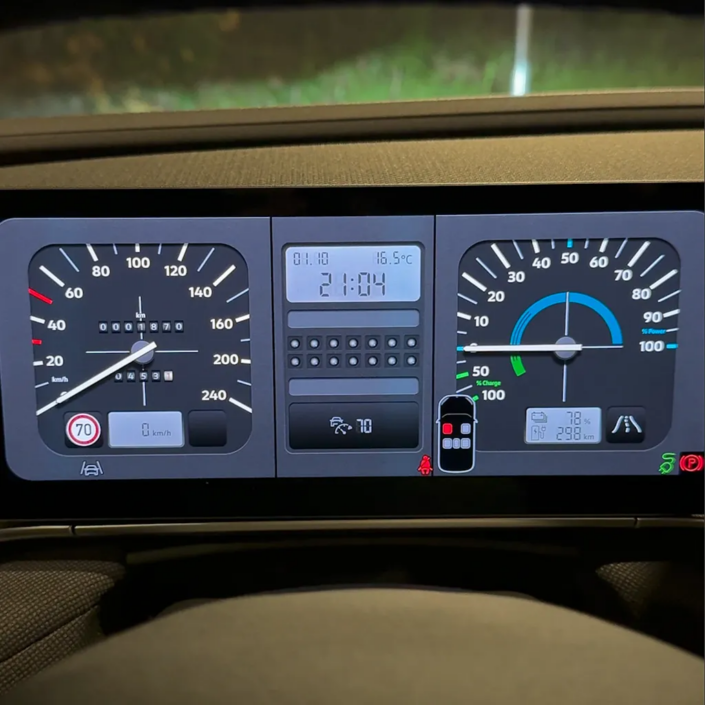
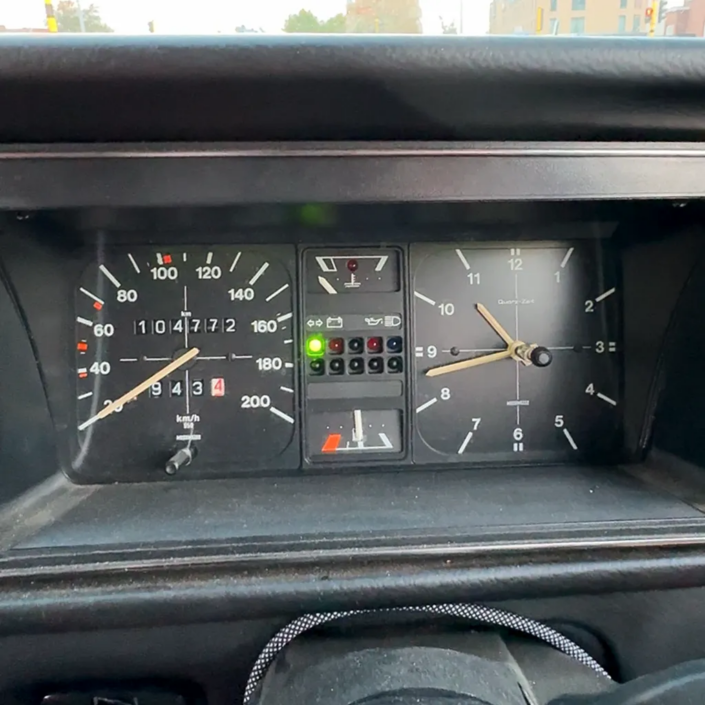
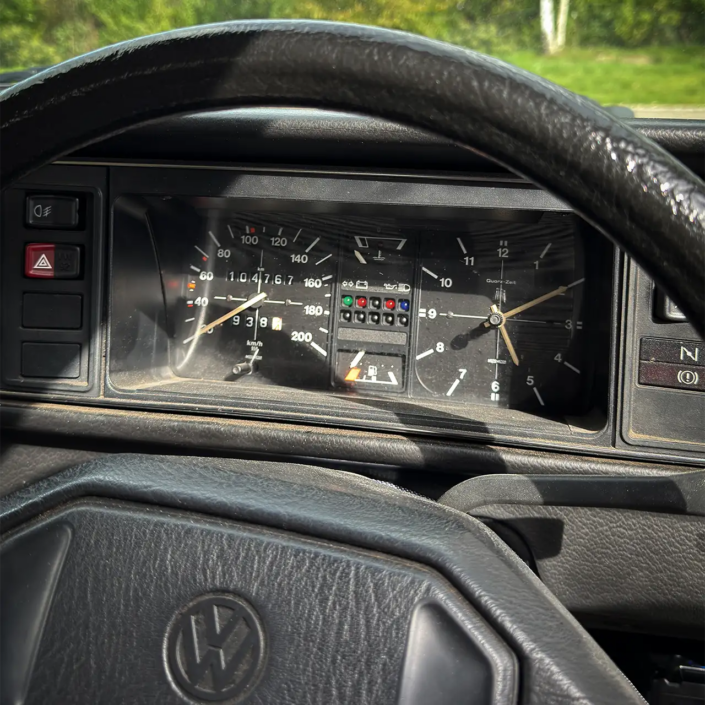
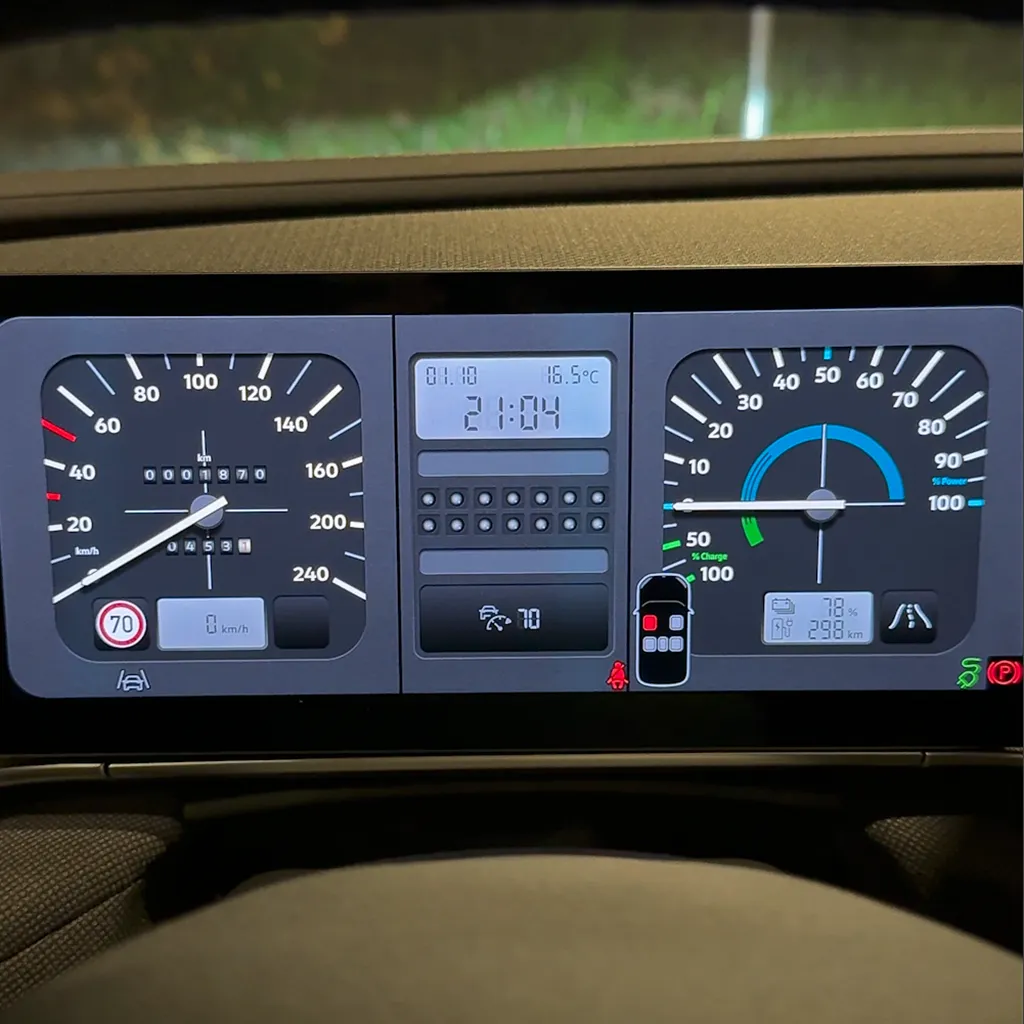
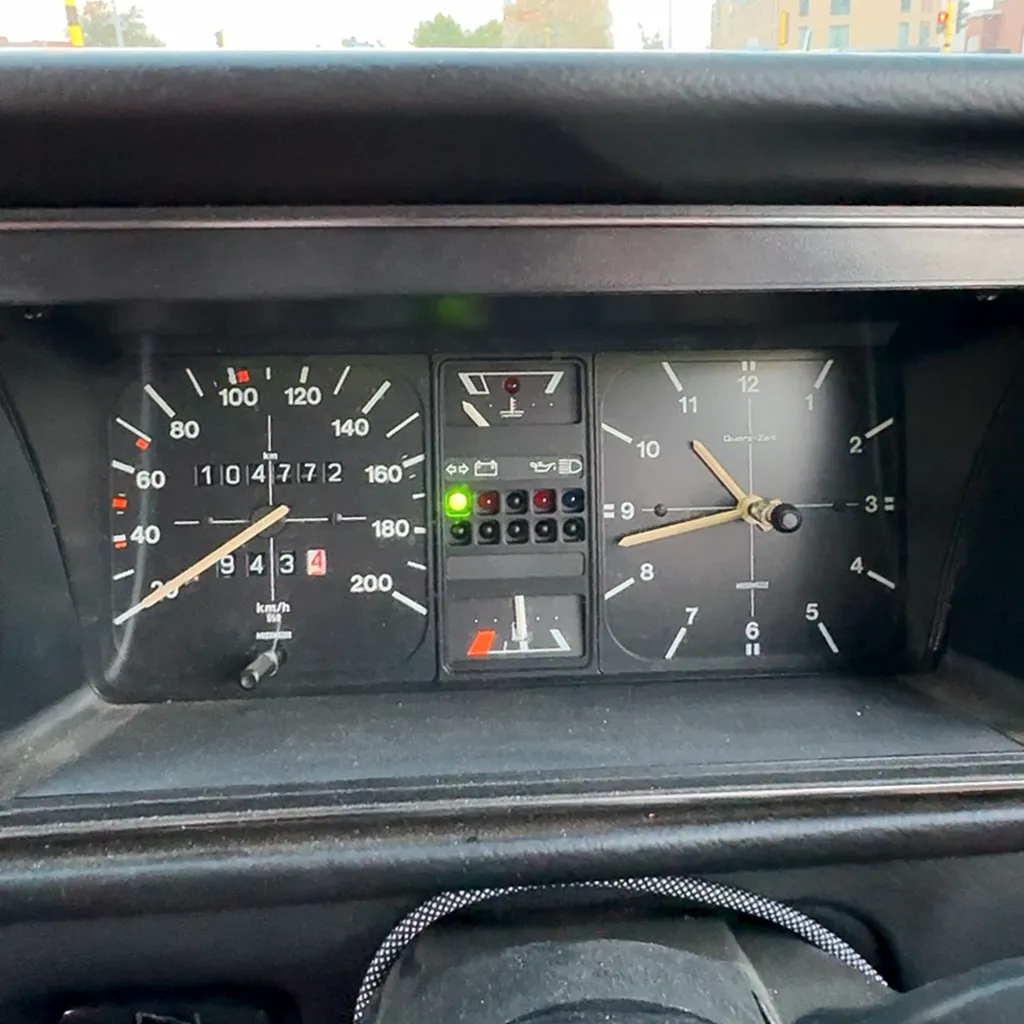
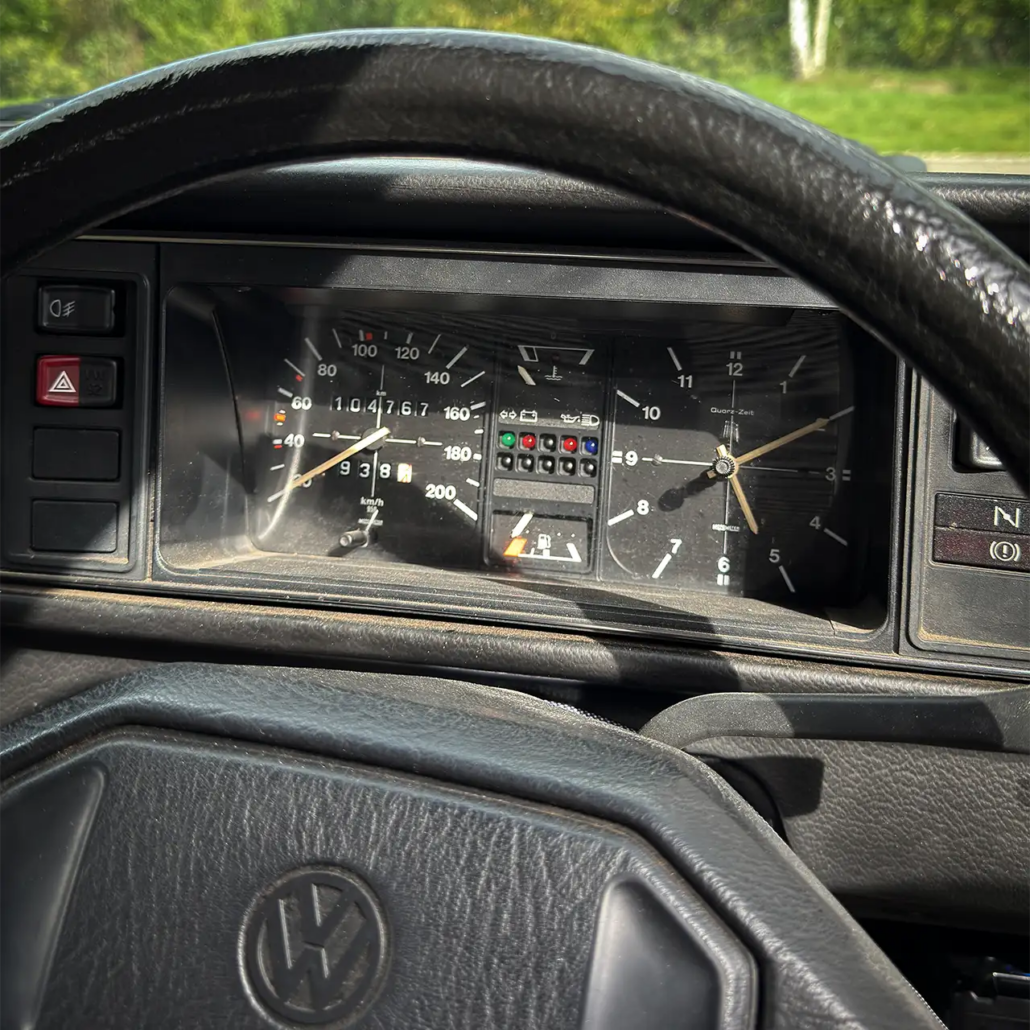
The digital displays are more playful. Both the driver display and central screen can switch between a modern layout and a retro theme inspired by the original Golf, complete with a virtual cassette deck when music is playing. It gives the ID. Polo more personality than the rather clinical interiors of some earlier ID. models.
Our front seats were heated, comfortable and supportive, although manually adjustable. Material quality is mixed: there are some softer surfaces and recycled fabrics, but also plenty of hard plastic. Our test car additionally developed a small dashboard creak on rougher roads.
Over roughly 650 km, much of it on the motorway, the ID. Polo proved far more versatile than I expected from such a small EV. It feels light on its feet, the steering is direct and the throttle response is immediate.
In normal driving it is easy and predictable, and the adaptive cruise control in our car worked very well. I actually liked that the car did not constantly try to take over every part of the driving experience.
One unusual behaviour appeared on motorway sections with long longitudinal grooves in the surface. The car became noticeably nervous and required a firmer grip on the steering wheel, accompanied on one stretch by strong tyre or road resonance. It only happened on very specific surfaces, but it was noticeable enough to stand out during the week.
The 52 kWh version tested here sends 155 kW / 211 hp and 290 Nm to the front wheels. Volkswagen quotes 0-100 km/h in 7.1 seconds and limits the top speed to 160 km/h.
In Sport mode it feels genuinely lively. There is enough low-speed torque to spin the front tyres even in the dry, and hard acceleration can send some torque reaction back through the steering. It is not especially sophisticated, but that slightly old-school front-wheel-drive character is also part of what makes it entertaining.
Efficiency was good. I saw around 13 kWh/100 km on secondary roads and about 16.5 kWh/100 km on the motorway. Across the full test, including plenty of faster motorway driving, the average settled around 15.7 kWh/100 km.
Volkswagen officially rates DC charging at 105 kW. During our test, 33-70% took 11 minutes at an indicated average of 106 kW, briefly peaking at 114 kW. Above 80%, however, charging dropped sharply to around 20 kW. For regular long-distance fast charging, that is the ID. Polo's clearest limitation.
Despite its compact footprint, the ID. Polo uses its space well. Volkswagen quotes 441 litres of luggage capacity with the rear seats in use and up to 1,240 litres with them folded.
The boot floor can be positioned at different heights, and folding the 60:40 rear bench creates an almost flat load area. There is no frunk, but the rear boot itself is impressively useful for a car just over four metres long.
At 181 cm I had enough rear legroom and headroom behind my own driving position, although you sit with your legs at a fairly sharp angle. Rear passengers get a flat floor, USB-C ports and ISOFIX mounting points, but no centre armrest or magazine pockets in our car.
The 211 hp version can also tow up to 1,200 kg braked.
The ID. Polo starts at around €25,000 in several European markets, but that headline figure applies to the entry versions.
In Germany, pricing starts at €24,995 including VAT. The UK starts from £23,945, while Belgium and the Netherlands start from around €24,990.
Our Belgian Edition One Life with the 52 kWh battery and 211 hp had a base vehicle price of €37,440.01. Oyster Silver Metallic, the 17-inch Edinburgh wheels and other listed costs brought the total as tested to €39,405.04.
That is where the value proposition becomes more difficult. At €25,000, the ID. Polo is a very appealing compact EV. At almost €40,000, it enters a much more competitive part of the market.
For current specifications, options and availability, visit the official Volkswagen ID. Polo page.
After a week with it, the ID. Polo left a stronger impression on me than I expected.
What I liked most is that it does not feel as if Volkswagen is trying too hard to reinvent the car simply because it is electric. It looks like a Polo, the controls make sense again, the retro graphics give it some humour and this 211 hp version is quick enough to be genuinely fun.
There are compromises. The interior still feels basic in places, our car had that dashboard creak and 105 kW fast charging is modest if you regularly cover very long distances. The biggest obstacle is the price of the higher-spec versions.
But purely as a car to drive, this was probably the most enjoyable electric Volkswagen I had driven up to that point. And considering this is not even the GTI, that makes me very curious about what comes next.
Base price (Belgium)
DRIVETRAIN
SEATS
TRANSMISSION
 © 2026 Johnnydrives.com
 © 2026 Johnnydrives.comPolestar 4 SUV