REVIEW
Ferrari Amalfi
640 hp twin-turbo V8 grand tourer with a surprisingly playful side
2026 · rwd · 640 hp · 760 Nm

REVIEW
640 hp twin-turbo V8 grand tourer with a surprisingly playful side
2026 · rwd · 640 hp · 760 Nm
REVIEW
640 hp twin-turbo V8 grand tourer with a surprisingly playful side
2026 · rwd · 640 hp · 760 Nm
IN THIS REVIEW EXTERIOR INTERIOR DRIVING PERFORMANCE PRACTICALITY PRICE FINAL VERDICT VIDEO GALLERY
The Ferrari Amalfi replaces the Roma with a cleaner design, a more intuitive interior and a 640 hp twin-turbo V8. It's an elegant grand tourer that feels surprisingly comfortable and refined in everyday driving, yet becomes a genuinely exciting sports car in Sport and Race modes.
The steering is exceptionally quick, the gearbox is superb and there's always power in reserve. What impressed me most is how effortlessly the Amalfi combines long-distance comfort with the performance and driving excitement you'd expect from a Ferrari.
POWER
TORQUE
0-100 KM/H
TOP SPEED
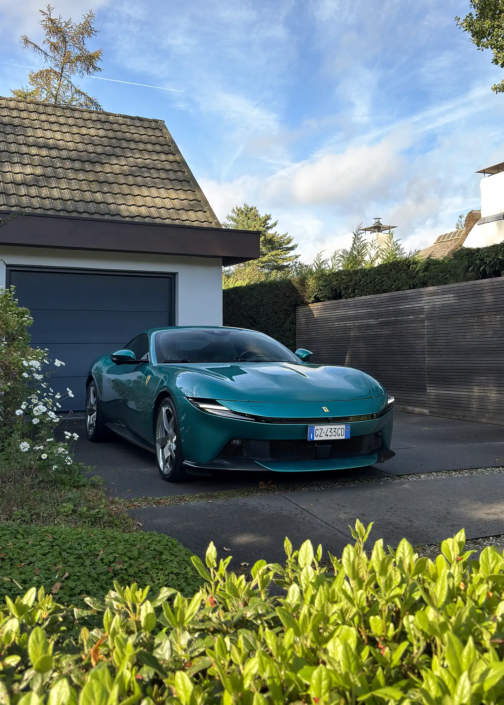
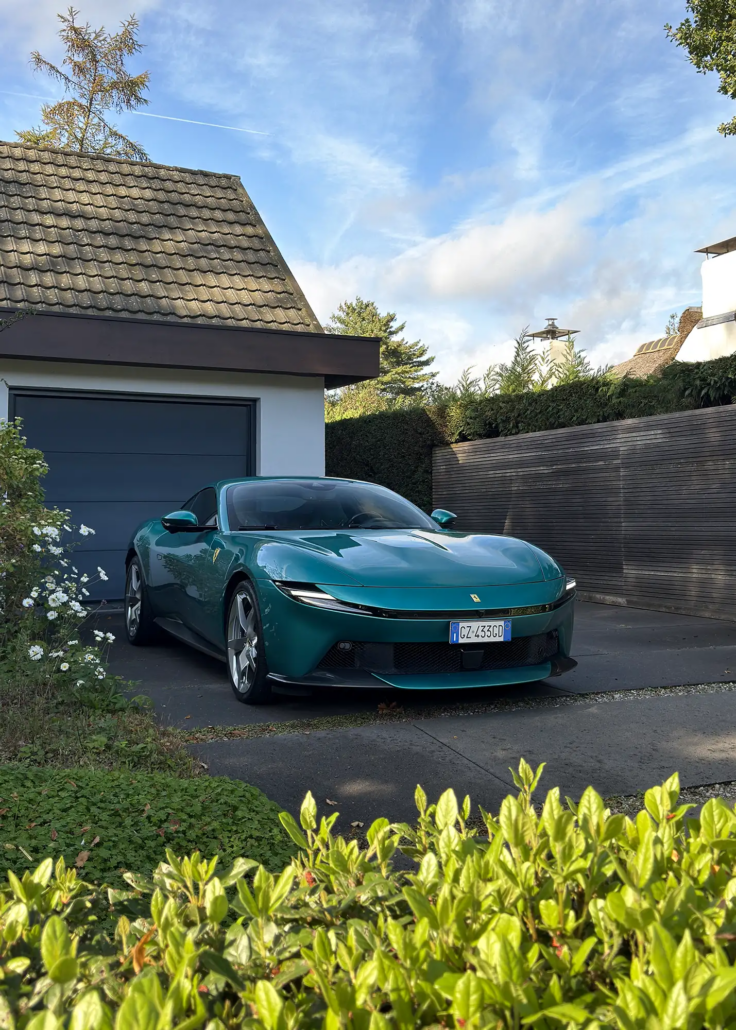
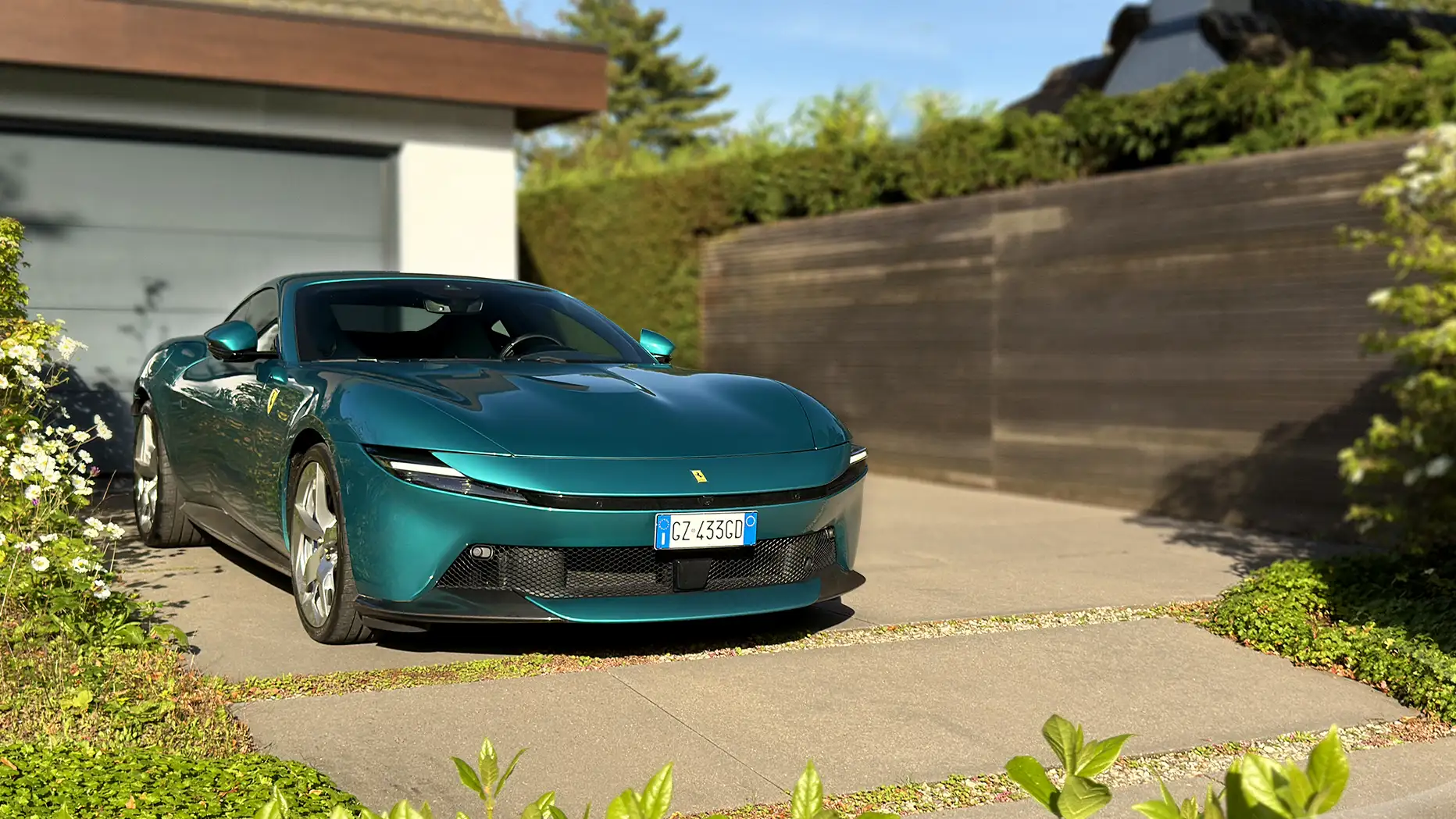
The Amalfi takes the Roma's long-bonnet, low-roof grand-touring proportions and makes them cleaner and more contemporary. Thin front lighting, a broad lower air intake and flush push-to-open door handles give it a restrained look. I like that Ferrari hasn't tried to make it look like a track car. The drama is in the shape and the details.
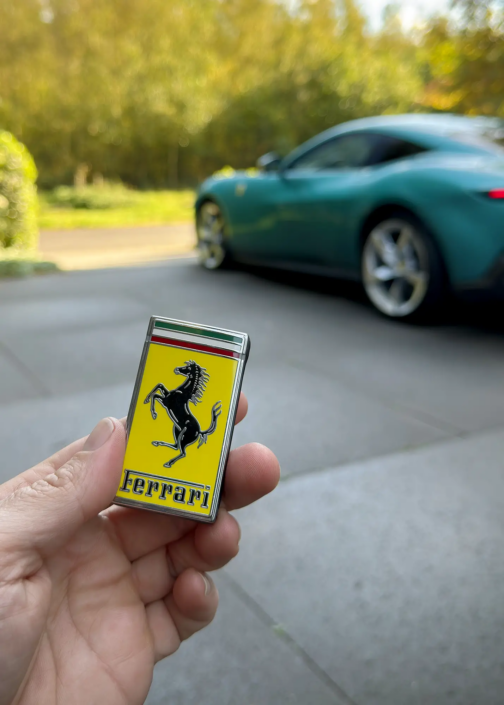
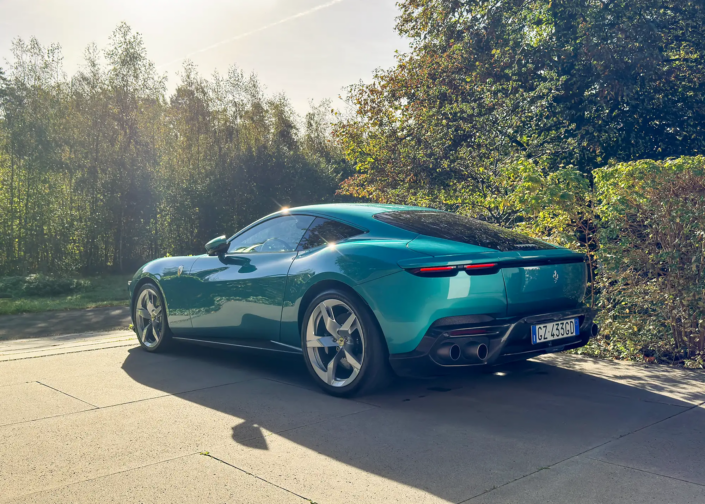
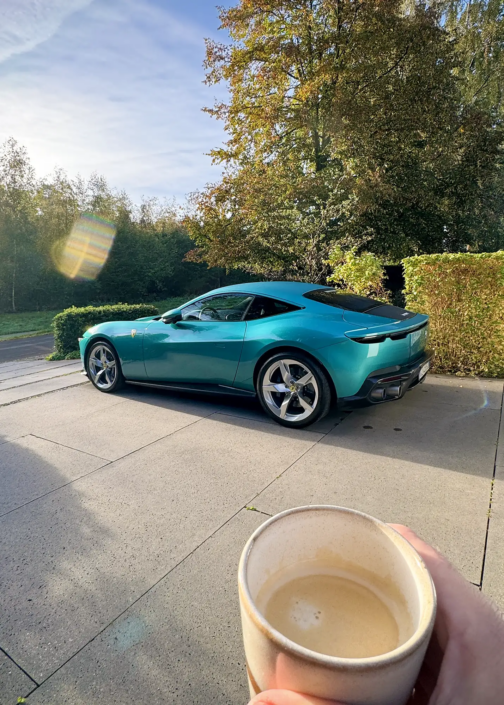
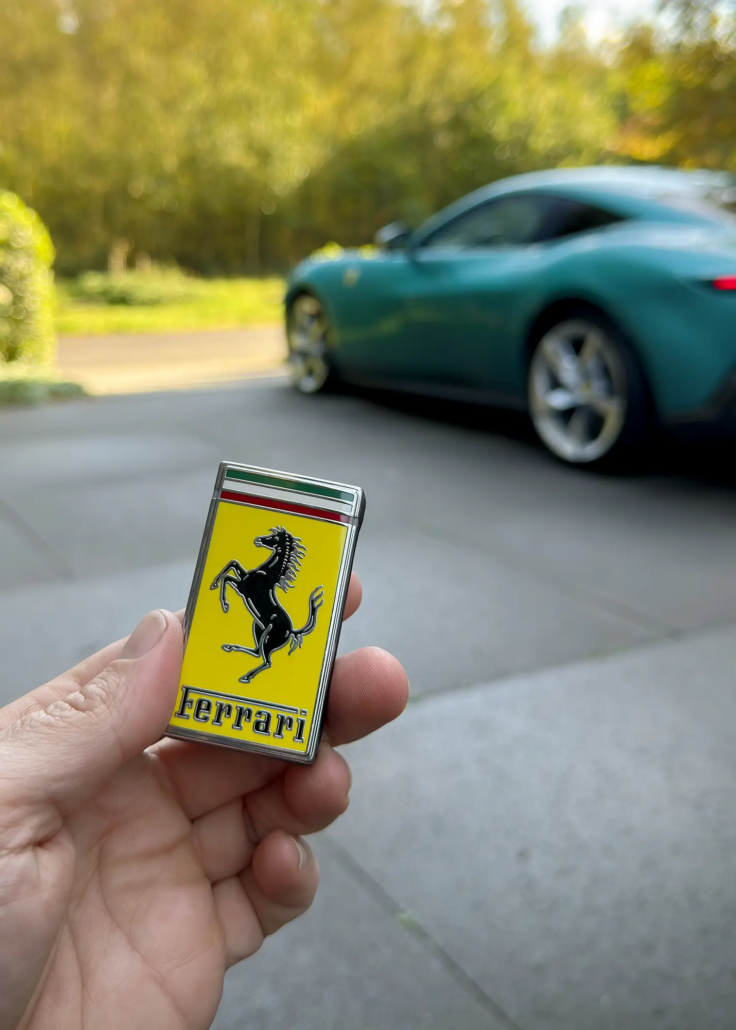
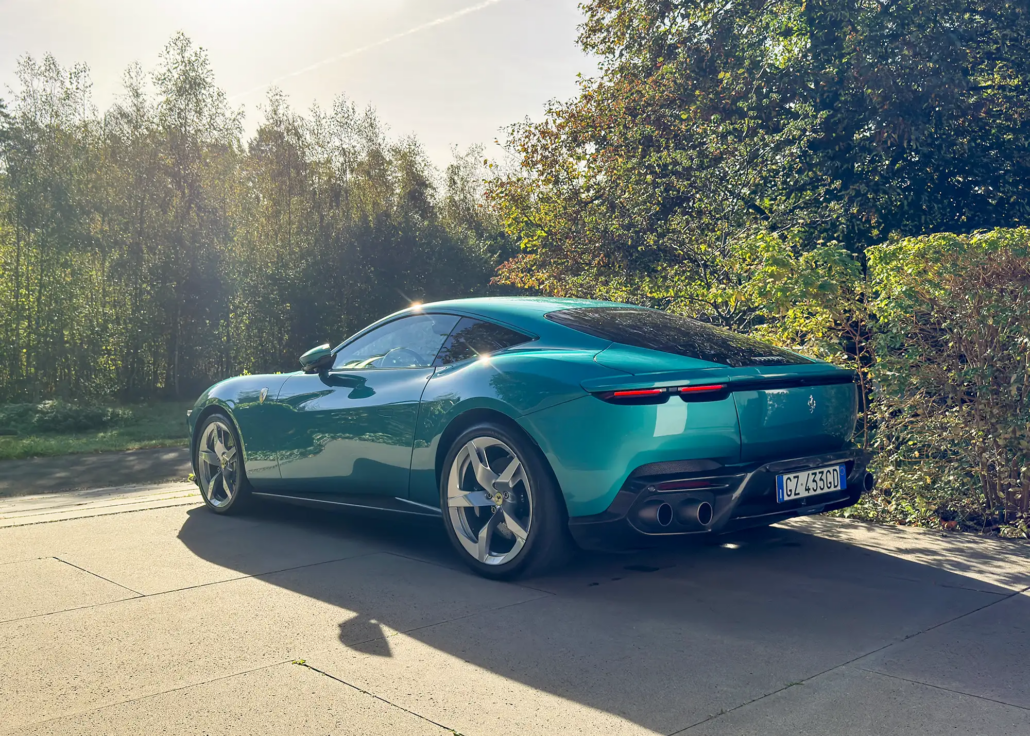
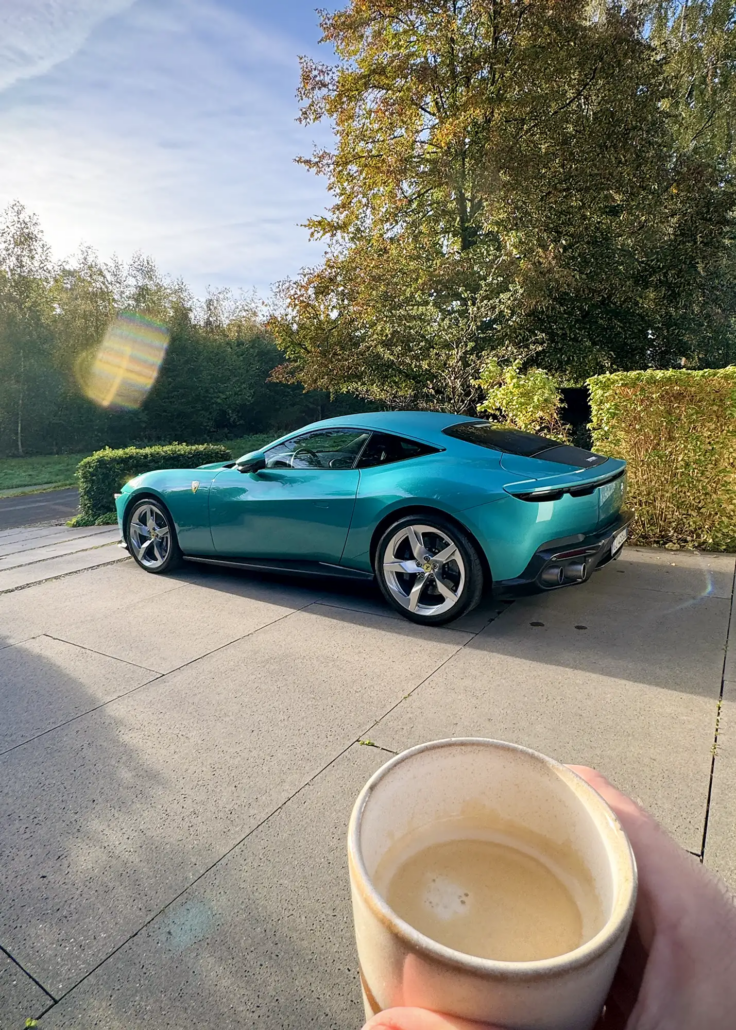
Our Verde Costiera test car looked particularly striking in sunlight, with its blue-green paint changing character as the light moved across the body. Optional carbon-fibre elements feature around the lower front bumper, side sills and rear diffuser, while the 20-inch forged wheels, blue brake callipers, Scuderia Ferrari shields and titanium exhaust tips complete this car's specification.
The active rear spoiler is almost invisible when retracted. It automatically adjusts between low-drag and downforce configurations according to the driving conditions. In its highest-downforce setting Ferrari quotes an additional 110 kg at 250 km/h, yet the discreet rear styling remains intact.
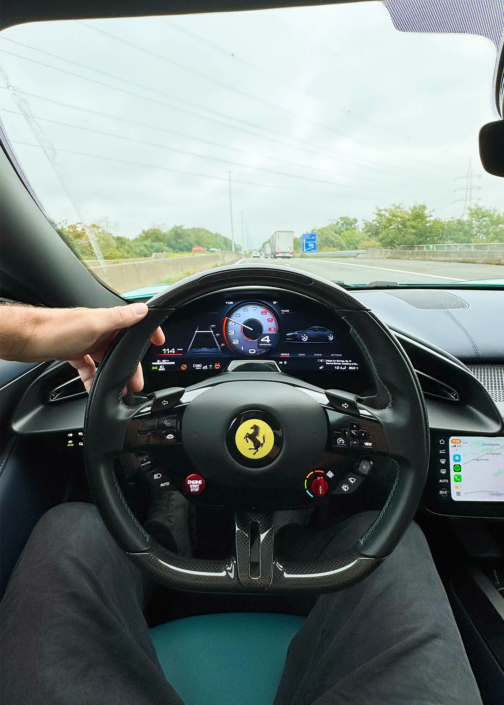
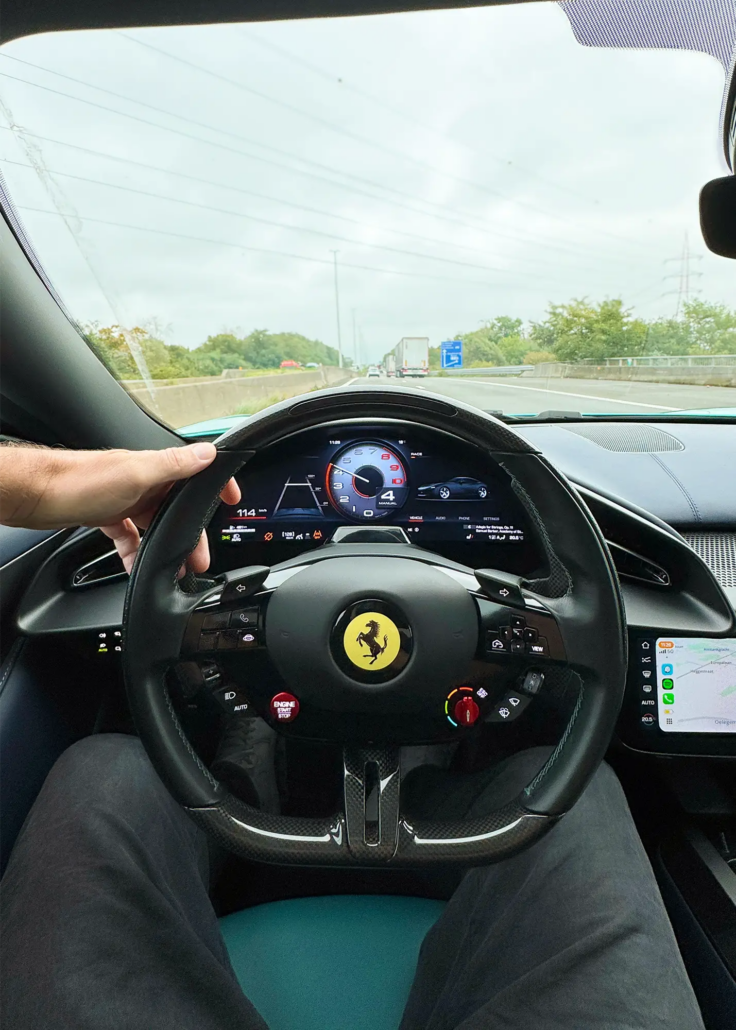
The dual-cockpit dashboard wraps around the driver and passenger, but the biggest everyday improvement is the return of physical buttons on the steering wheel. The aluminium start button, indicator controls and direct access to key driving functions all feel more natural than Ferrari's previous touch-sensitive approach. I also like the large column-mounted shift paddles and the sculpted aluminium centre-console controls.
Our car's interior is far from conventional: Verde Bellagio leather is combined with Blu Sterling leather and Alcantara, plus technical fabric in the centre sections of the Goldrake seats. The contrasting colours shouldn't necessarily work on paper, but in person they give the cabin real character. The seats have ventilation and massage functions, and the optional passenger display makes the right-hand side of the cockpit more interactive.
There's a good mix of craftsmanship and modern technology, including a digital instrument cluster, central touchscreen, smartphone connectivity and wireless charging. My main complaint was much less exotic: pressing certain hard sections of the dashboard could stop an intermittent creak. It's a small issue, but disappointing in an interior that otherwise feels so carefully considered.
In Comfort, the Amalfi is remarkably easy to live with. The adaptive suspension does a convincing job of absorbing rough surfaces, the engine remains quiet at a steady pace and the gearbox slips into higher gears almost unnoticed. With the seats set comfortably and the assistance systems doing their job, it feels like a car you could happily drive for hours.
Move the Manettino to Sport and the car wakes up. The V8 becomes more vocal, the body feels better tied down and the response to even small throttle inputs is immediate. Race gives the driver more freedom through the electronic stability systems. Despite its elegant appearance, the Amalfi is seriously eager when a winding road opens up.
What struck me was the steering. It is very light and extremely quick, with little input needed to change direction, yet the nose goes where you ask it to. The car feels agile and predictable rather than intimidating at normal road speeds. I also enjoyed taking manual control with the fixed paddles, although the engine has so much range that third gear already takes you well beyond most road speed limits. The optional front-axle lift is genuinely useful for steep driveways and awkward entrances, too.
The 3.9-litre twin-turbocharged V8 produces 640 hp and 760 Nm, driving the rear wheels through an eight-speed dual-clutch transmission. Ferrari quotes 0-100 km/h in 3.3 seconds, 0-200 km/h in 9.0 seconds and a top speed of 320 km/h. Those are supercar numbers in a car designed to cover long distances comfortably.
More impressive on the road is the constant reserve of acceleration. The V8 pulls hard without needing to be chased to the redline, but it sounds much better when you do let it rev. Adaptive dampers, brake-by-wire and Ferrari's latest chassis-control systems help make that performance accessible. The carbon-ceramic brakes provide the stopping power expected of a Ferrari, while the chassis never loses its grand-touring composure.
The Amalfi is a 2+2, although those rear seats are best treated as occasional places for small children or extra luggage. Front-seat comfort is excellent, especially with the optional massage and ventilation functions fitted to our car. The driving position, visibility and relatively relaxed automatic gearbox also make the Amalfi surprisingly undemanding around town.
The boot offers 273 litres. I fitted two cabin-size trolley cases without a problem, and the rear backrests fold to accommodate longer items. This isn't a practical family car, but for two people heading away for a weekend, the Amalfi is a far more realistic travel companion than its performance figures might suggest.
In Belgium, the Ferrari Amalfi Coupé starts at €242,000 including VAT. The Amalfi Spider starts at €274,670 including VAT. Our Coupé was extensively personalised with special paint, contrasting interior materials, Goldrake seats, forged wheels, carbon-fibre trim, a passenger display and other options, so its actual price would be higher. I don't have a confirmed as-tested total.
For current specifications, options and availability, visit the official Ferrari Amalfi page.
I'll admit that I approached the Amalfi as a Ferrari fan, but that doesn't mean it got a free pass. The creaking dashboard trim genuinely bothered me, precisely because the rest of the interior feels so special. And while the two rear seats are useful to have, nobody should mistake this for a proper four-seater.
What won me over was how naturally the Amalfi changed character. In Comfort, I enjoyed the quiet, relaxed elegance of it. When I wanted to drive actively, the steering, gearbox and V8 made it feel alive without turning every journey into hard work. It's fast enough to be absurd, but it never felt as though the numbers were the whole point.
I handed the keys back thinking less about the acceleration figures than about how much I had enjoyed simply driving it. For me, that balance of class, comfort and genuine excitement is what makes the Amalfi such an appealing Ferrari.
Base price (Belgium)
DRIVETRAIN
SEATS
TRANSMISSION
 © 2026 Johnnydrives.com